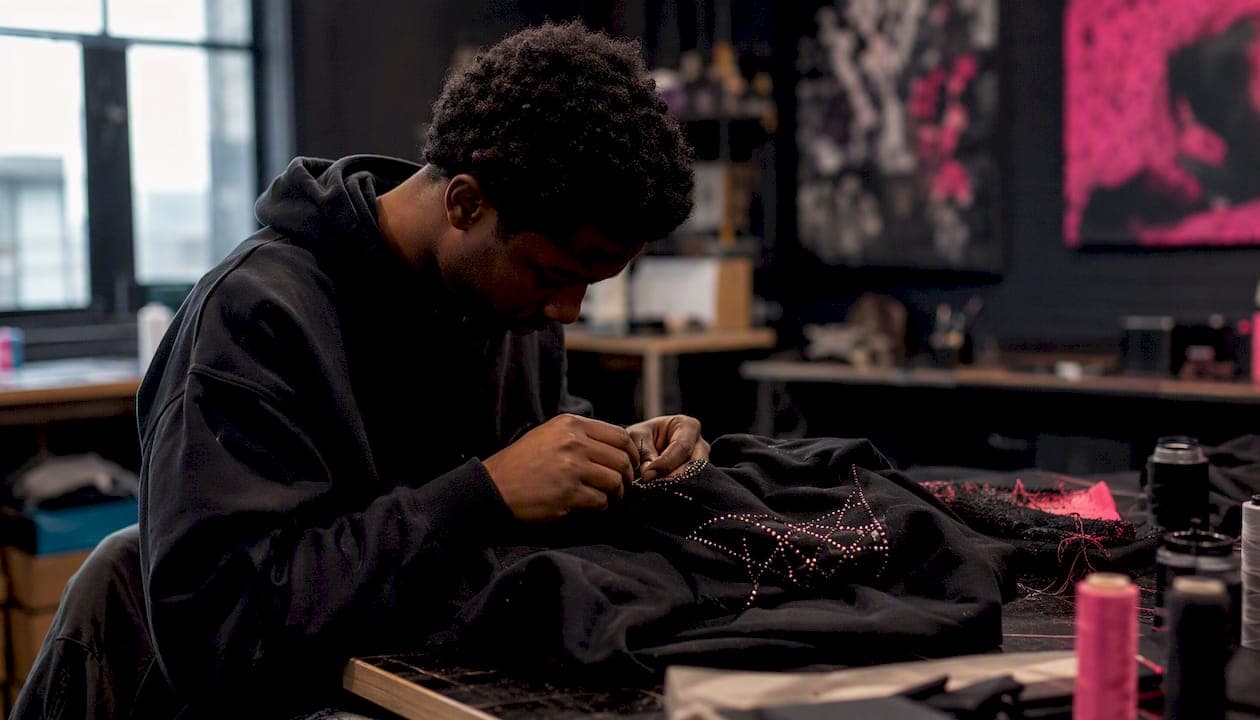
Limited edition merch is branded merchandise produced in a fixed, predetermined quantity or available only within a set time window, after which it will not be restocked. The scarcity is the product. When supply is genuinely capped, Cambridge Dictionary defines the result as a collectible with built-in urgency, and that urgency is what separates a limited drop from a standard catalog item.
TL;DR: Scarcity drives faster purchase decisions, higher perceived value, and long-term collectibility. Three signals tell you whether a release is truly limited:
- Edition size stated explicitly on the product page (e.g., "only 100 pieces worldwide")
- Numbering or a Certificate of Authenticity (CoA) physically attached to the item
- A no-restock policy communicated publicly at the point of sale, sometimes backed by NFC or RFID authentication tech
Key Takeaways
Limited edition merch works because scarcity is real, verifiable, and never restocked — every other element of a successful drop follows from that single commitment.
| Point | Details |
|---|---|
| Core definition | Limited edition merch is capped by a fixed quantity or time window, with no restock after it sells out. |
| Primary psychological lever | Scarcity plus FOMO compresses purchase decisions; spacing drops preserves that urgency over time. |
| Authentication essentials | State edition size on the product page, number each unit, and include a CoA or NFC tag for collector-grade trust. |
| Top KPI to watch | Sales velocity during the drop window tells you whether your edition size matched real demand. |
| Amaribandz merch | Amaribandz releases limited drops directly to fans, with early access for email and SMS subscribers. |
Table of Contents
- Why limited edition merch meaning goes deeper than just "rare stuff"
- Benefits for brands and fans, and the risks worth knowing
- Common types of limited-edition merch and when each one fits
- How to plan and run a limited-edition merch drop
- Production choices, printing methods, and authenticating limited editions
- Are limited editions worth it? Metrics, pitfalls, and an ethical note
- Three real-world examples that show what works and what doesn't
- Research-backed best practices from industry sources
- What limited editions actually mean to an independent artist
- Amaribandz exclusive merch for fans who want in first
- Sources
Why limited edition merch meaning goes deeper than just "rare stuff"
Scarcity alone does not explain why people line up at 6 AM or crash a website at midnight. The psychology behind limited drops runs through several overlapping behavioral levers, and understanding them is what separates a creator who runs a successful drop from one who just prints fewer shirts.
The most immediate driver is FOMO, fear of missing out. When a buyer knows a product disappears at midnight or when the last unit sells, the decision timeline compresses. That compression is not accidental. Shopify's guidance on limited drops notes that short-run launches with intentionally low supply or brief purchase windows push faster purchase decisions precisely because the cost of waiting is visible and real.
Underneath FOMO sits the scarcity heuristic: people assign higher value to things that are harder to get. A shirt that 10,000 people own feels different from one that 100 people own, even if the fabric is identical. Collectors understand this intuitively. Casual fans feel it without being able to name it.
Social signaling adds another layer. Branded merch functions as a cultural badge, letting fans express identity and signal community membership. Wearing a numbered piece from a sold-out drop communicates something a standard tee cannot. That signal has real social currency, especially in music and streetwear, where fan community dynamics amplify the status attached to owning something most people missed.
Finally, the endowment effect kicks in after purchase. Once someone owns a limited item, they value it more than they did before buying it, which supports both long-term loyalty and secondary-market activity.
Spacing releases and avoiding routine drops is what preserves the psychological power of scarcity. When every month brings a new "limited" drop, nothing feels limited anymore.
Pro Tip: Run no more than two or three genuine limited drops per year. The moment fans start expecting a drop on a schedule, the urgency evaporates.
Benefits for brands and fans, and the risks worth knowing
Limited-edition merchandise creates value on both sides of the transaction, but the trade-offs are real enough to plan around.
For brands and creators:
- Sales spikes concentrated in a short window, which simplifies inventory and cash flow
- Higher margins because scarcity justifies premium pricing
- Brand prestige: a sold-out drop signals demand and cultural relevance
- Fan loyalty deepened by the shared experience of getting (or missing) a release
- New email and SMS subscribers acquired through pre-launch sign-ups
For fans and collectors:
- Exclusivity and identity expression through ownership of something most people cannot get
- Collectibility and the satisfaction of completing a set or owning a numbered piece
- Status within a fan community, particularly in hip-hop and streetwear
- Resale potential when secondary-market demand exceeds original supply
Risks and trade-offs to plan around:
- Inventory forecasting is harder with small runs; over-ordering kills scarcity, under-ordering leaves money on the table
- Restocking after claiming "limited" destroys fan trust faster than almost any other mistake
- Licensing and trademark constraints can block certain designs or collaborations
- Bot-driven scalping can lock out genuine fans and generate negative press
Limited editions work best when the audience is already engaged, the community has intensity (not just size), and production capability can support small-run quality. A creator with 5,000 passionate fans will see better results from a 200-piece drop than a creator with 50,000 passive followers.
Common types of limited-edition merch and when each one fits
Not every limited drop uses the same model. The structure you choose shapes who buys, how they buy, and what the item means to them long-term.
1. Fixed-quantity drops cap the run at a specific number. The Sabaton "Lightning at the Gates" merch drop is a clean example: "only 100 pieces worldwide" with numbering and a CoA bundled in. These work best for superfans and collectors who want proof of rarity.
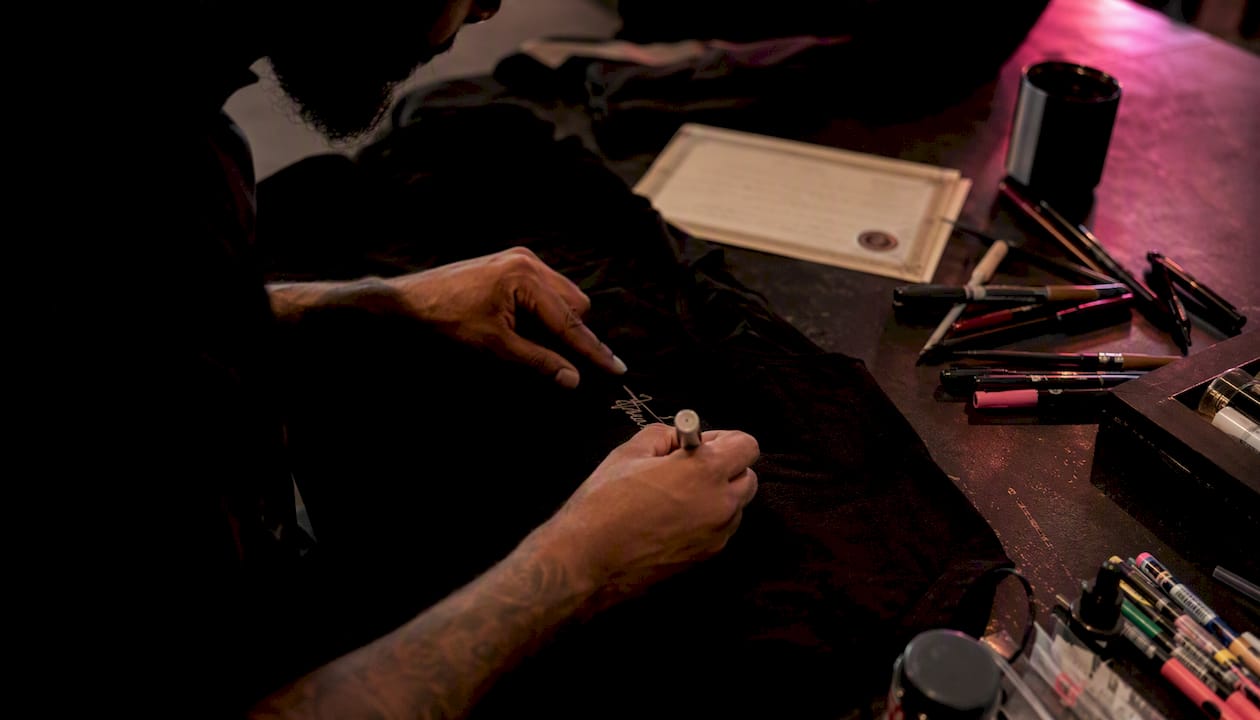
2. Time-window drops sell for a fixed period (24 hours, a weekend, a tour run) regardless of quantity. The edition size is determined by demand within that window. Easier to manage production-side, but the scarcity signal is weaker because the final count is unknown at launch.
3. Numbered and signed editions attach a physical sequence number and, often, an artist signature to each unit. Oxford's definition frames these as the classic collector model. They command the highest resale premiums and suit serious collectors over casual fans.
4. Collaboration and artist editions pair a creator with another artist, brand, or designer to produce something neither could release alone. The combined audiences and the "one-time-only" nature of the partnership are the scarcity signal.
5. Phygital editions combine a physical item with a digital component, typically via an NFC chip embedded in the product. Scanning the chip unlocks exclusive content, verifies authenticity, or grants access to a digital collectible. Smart music cards are a growing example in the music space, linking a physical card to a streaming unlock or exclusive track.
6. Bundled box sets package multiple items (apparel, poster, sticker, download card) into a single premium SKU. The FIFA World Cup 2026 Kansas City limited-edition box set demonstrates this at scale: NFC authentication, CoA, and premium packaging combined into one collector item.
How to plan and run a limited-edition merch drop
The short answer: pick your edition model (quantity vs. time), set an edition size aligned to real demand signals, and commit to a single primary sales channel before you announce anything.
Step-by-step checklist:
- Validate demand first. Run a pre-launch interest form or waitlist. If fewer than 10% of your active audience signs up, reconsider the edition size or the product itself.
- Set edition size. For a first drop, err smaller. A sold-out 100-piece run builds more credibility than a half-sold 500-piece run.
- Price for the edition, not the cost. Small runs have higher per-unit costs. Price to reflect scarcity and quality, not just production expense.
- Lock your production and authentication method. Decide numbering, CoA, and packaging before you go to the printer. Retrofitting authentication after production is expensive and often impossible.
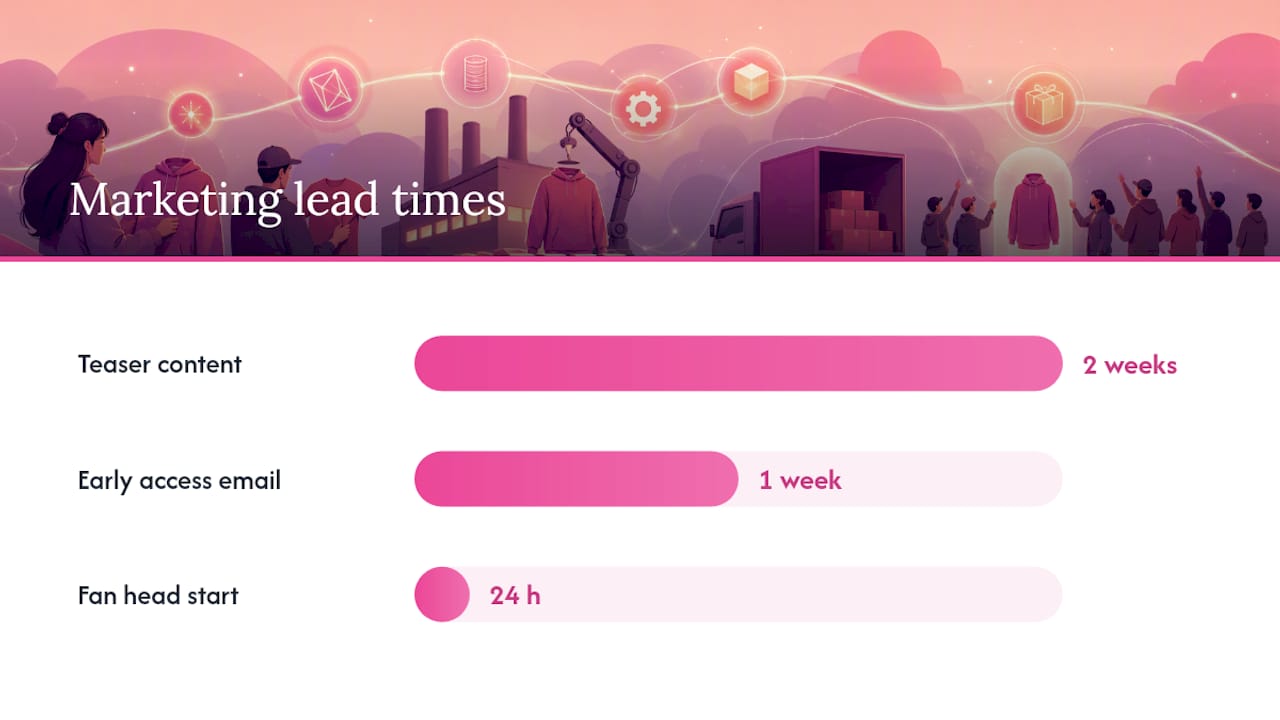
- Build the marketing timeline. Teaser content two weeks out, early access email to subscribers one week out, public launch with a countdown. Fan membership tiers are a natural gate for first-access privileges.
- Set checkout mechanics. Use a queue or raffle system for high-demand drops. Limit purchases to one per customer to protect fans from scalpers.
- Communicate the no-restock policy. State it on the product page, in the confirmation email, and in post-drop social content.
- Analyze post-drop. Track sales velocity, new subscribers acquired, average order value, and any secondary-market activity within 30 days.
Marketing tactics that move the needle:
- Pre-launch teasers that reveal the item gradually (packaging first, then the full product)
- Early access for email and SMS subscribers, announced at least a week before public launch
- Scarcity copy that states the exact edition size, not vague language like "limited quantities"
- UGC and unboxing content from the first buyers, amplified through the artist's own channels
Pro Tip: Give your fan club or email list a 24-hour head start before the public drop. It rewards loyalty, reduces bot pressure, and generates organic word-of-mouth before the general sale opens.
Production choices, printing methods, and authenticating limited editions
The production method you choose sets the ceiling on quality, the floor on cost, and the timeline for everything else. Match the method to your edition size and price point before you commit.
Common print and production methods:
- Screen printing suits runs of 50+ units with bold, graphic designs. Lower per-unit cost at volume, but setup fees make it expensive for very small runs.
- Embroidery adds a premium tactile quality that photographs well and holds up over time. Higher per-unit cost, but it signals craftsmanship in a way screen print cannot.
- Direct-to-garment (DTG) printing works for very small runs (under 50 units) with complex, photographic artwork. No setup fees, but per-unit cost is higher and wash durability varies by ink and fabric.
- Premium box sets require coordination across multiple vendors (apparel, print, packaging, authentication tech). Plan for 10–14 weeks minimum lead time.
Authentication checklist:
- Physical edition number printed, embossed, or stitched onto each unit
- Certificate of Authenticity (CoA) included in packaging, signed by the artist where possible
- NFC or RFID chip embedded in the item or tag, linking to a verified ownership record
- Premium packaging (rigid box, tissue paper, branded seal) that signals the item's collector status
- NFC music cards offer a practical entry point for independent artists adding digital authentication to physical merch
Disney Store's support documentation confirms that edition size should be listed directly on the product page, and the FIFA limited-edition box set shows how NFC authentication, CoA, and dedicated packaging combine to build collector trust at a premium price point. Small-run production typically carries higher per-unit costs and longer lead times than standard catalog runs, so pricing and pre-order windows need to account for both.
Are limited editions worth it? Metrics, pitfalls, and an ethical note
They can be, but only if the brand measures the right things and keeps its no-restock promise.
KPIs worth tracking:
- Sales velocity during the drop window (how fast units sold relative to edition size)
- Conversion rate during the drop versus your standard product pages
- Average order value compared to non-limited releases
- New email and SMS subscribers acquired through pre-launch sign-up
- Secondary-market pricing and social mentions in the 30 days after the drop
- Return rate and customer-service ticket volume (high returns signal a quality or expectation mismatch)
Fan revenue metrics offer a useful framework for mapping these KPIs to longer-term monetization, particularly for independent artists building direct-to-fan revenue.
Common pitfalls:
- Over-promising scarcity and then restocking because demand exceeded supply
- Poor inventory forecasting that leaves you with either zero units or 40% unsold
- Unfair access mechanics that let bots or resellers buy out the drop before real fans can
- Vague edition language ("limited quantities available") that fans correctly read as meaningless
The ethical and legal note: If you describe a product as limited edition, it must be limited. Claiming scarcity on a product you intend to restock is a deceptive marketing practice under FTC guidelines. Trademark and licensing constraints also apply: any design incorporating another brand's IP, a sports league's marks, or a celebrity's likeness requires a license before you print a single unit. Consult a trademark attorney before launching a collaboration drop.
Three real-world examples that show what works and what doesn't
Example 1: Sabaton "Lightning at the Gates" merch drop. A fixed-quantity run of 100 pieces worldwide, each numbered and bundled with a CoA. The explicit edition size and physical authentication created a collector-grade item that sold out and generated secondary-market activity. The no-restock policy held, which preserved the drop's credibility long after the sale closed.
Example 2: Independent artist collab drop. A small hip-hop artist partnered with a local visual artist to produce 75 signed, numbered art prints bundled with a digital download card. The drop was gated behind an email list sign-up, which grew the artist's subscriber base by a meaningful margin before a single unit shipped. The collaboration gave both creators a new audience segment they would not have reached alone.
Example 3: The restock that backfired. A mid-size streetwear brand launched a "limited" hoodie with a stated run of 500 units. Demand exceeded supply, so the brand quietly restocked twice. Fans who paid a premium based on the scarcity claim noticed, called it out publicly, and the brand's next drop saw a fraction of the engagement. The lesson: a restock decision that looks like good business in the short term can permanently damage the credibility of every future limited release.
Research-backed best practices from industry sources
The clearest signal from industry guidance is this: a limited drop is only as strong as the trust behind it. Scarcity that fans cannot verify is just marketing copy.
Proven best practices:
- State the exact edition size on the product page before the drop goes live
- Publish a no-restock policy at the point of sale and repeat it in post-purchase communications
- Use physical numbering plus at least one digital authentication method (CoA, NFC) for any item priced above standard catalog
- Space releases so each drop feels like an event, not a routine
- Gate early access behind a fan list or membership tier to reward existing community members
Keeping limited drops occasional and special is what preserves their power. Frequent routine drops reduce the tactic's effectiveness by training fans to wait rather than act. — Shopify, Limited Drops: Use Scarcity to Drive Sales
Amari Bandz's direct-to-fan model maps naturally to these practices. The artist's direct email and SMS list creates a ready-made early-access tier, and the fan engagement platform resources available through the blog give independent artists a practical starting point for running authenticated drops without a major-label infrastructure.
What limited editions actually mean to an independent artist
The conversation around limited edition merch often centers on big brands with massive logistics teams. But the model works at every scale, and for independent artists, it can work better precisely because the community is tighter.
When a fan buys a numbered piece from an artist they discovered before anyone else did, they are not just buying a shirt. They are buying proof of that relationship. The item becomes a physical record of being there early, of being part of something before it was everywhere. That is a different kind of value than any standard catalog item can carry.
The risk for independent artists is the same as for major brands: promise scarcity and then break it. Fans in tight communities talk. A restock that feels like a cash grab will follow an artist longer than the revenue it generates is worth.
The approach that holds up is simple: decide the number before you launch, state it publicly, authenticate it physically, and never restock. If demand exceeds supply, let the secondary market do its work. That sold-out signal is worth more to the next drop than any additional revenue from a restock.
For fans looking to get first access to Amaribandz's exclusive merch releases, the email list is the right place to be.
Amaribandz exclusive merch for fans who want in first
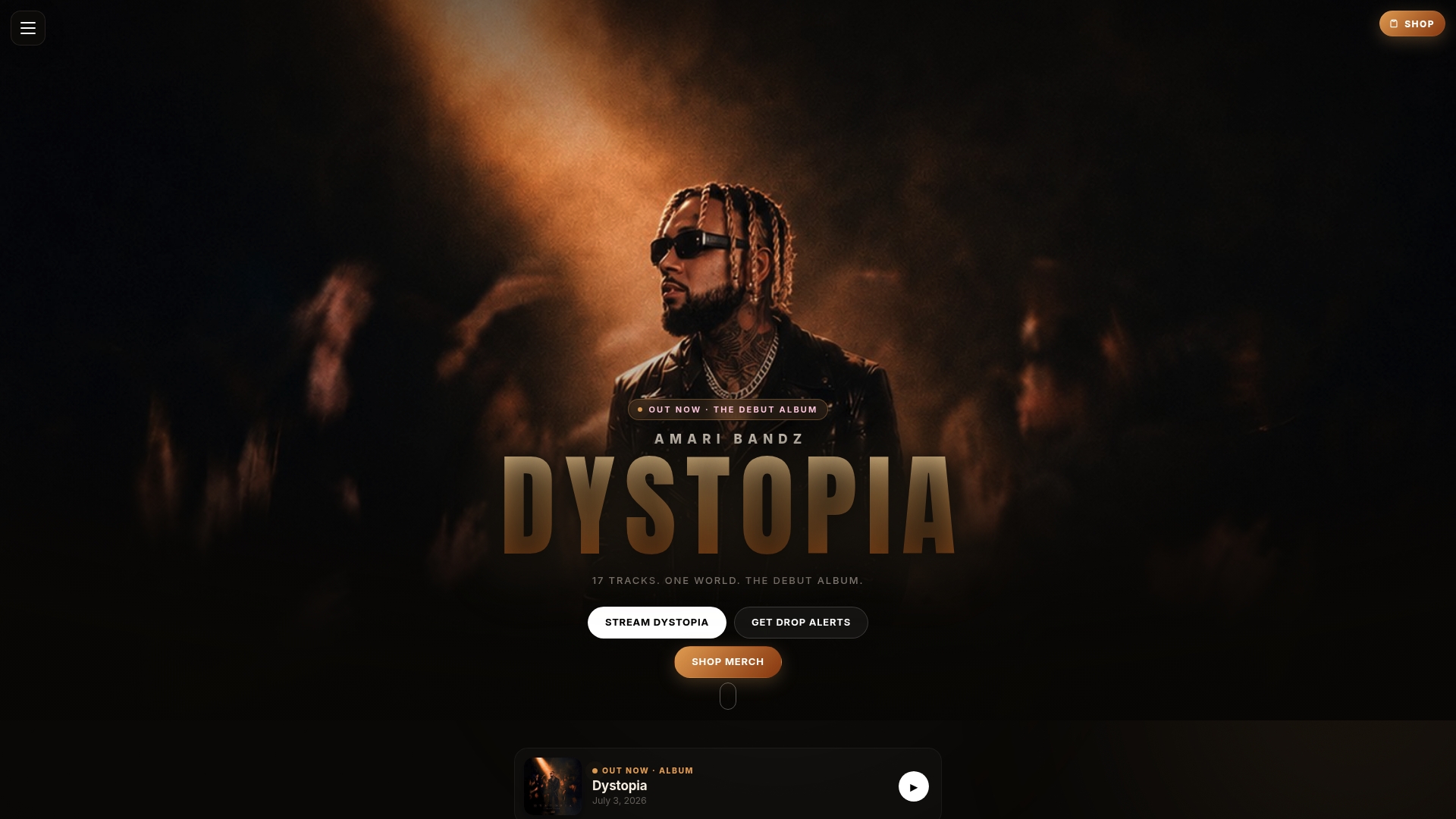
Amaribandz releases artist merch directly to fans, no middleman, no retail markup. The merch line includes apparel, accessories, posters, and stickers, with limited drops announced first to email and SMS subscribers. If you have been reading about how limited edition drops work and want to be on the right side of the sold-out notice, the place to start is the Amaribandz merch page. Sign up for the list, get early access to new releases, and own something that most people will miss. That is the whole point.
Sources
- Limited Drops: Use Scarcity to Drive Sales (2026) - Shopify
- Limited Edition and Limited Release Products – Disney Store Guest Services
- limited edition - Cambridge Dictionary
- What is merch? Understanding the power of branded merchandise