
A smart music card is a physical NFC-enabled collectible that unlocks instant music streaming with a single tap on a smartphone, no app download required. This format merges tangible merchandise with direct digital access, giving fans something to hold while giving artists a new way to distribute music outside of algorithm-driven platforms. The technology behind these cards has matured significantly by 2026, with chips like the NXP NTAG 424 DNA and AES 128 encryption setting a new standard for security and user experience. Amaribandz is among the independent artists using this format to connect directly with listeners through physical merch that carries real digital value.
What is a smart music card and how does it work?
A smart music card is a credit-card-sized collectible embedded with an NFC chip that links to a digital music player in a web browser. When a fan taps the card against an NFC-enabled smartphone, the phone reads the chip and opens a browser-based streaming experience instantly. No app, no account, and no special hardware beyond a standard modern smartphone are needed.
The core technology relies on Near Field Communication, or NFC, a short-range wireless standard built into virtually every smartphone sold since 2015. The chip stores a secure URL that points to the artist's digital content. That URL is not static. Modern cards use dynamic security keys that change on every tap, which prevents copying or unauthorized sharing tied to the physical card.
This browser-based approach is a direct response to the failures of earlier NFC music apps. Legacy "Smart Music Card" apps required fans to physically tag the card on every single playback session. That friction showed up in user sentiment: one legacy app earned a 2.1-star rating from 40 reviews and ranked #62 in South Korea's free music category as of may 2026. Low ratings from friction-heavy authentication are a predictable outcome when the technology fights the user instead of serving them.
Modern music card technology solves this by moving the experience entirely into the browser. The fan taps once, the music plays, and the card goes back in a pocket or on a shelf. That simplicity is not accidental. Removing app downloads is the single most critical factor in increasing fan adoption of NFC music cards, according to secure NFC technology specialists.
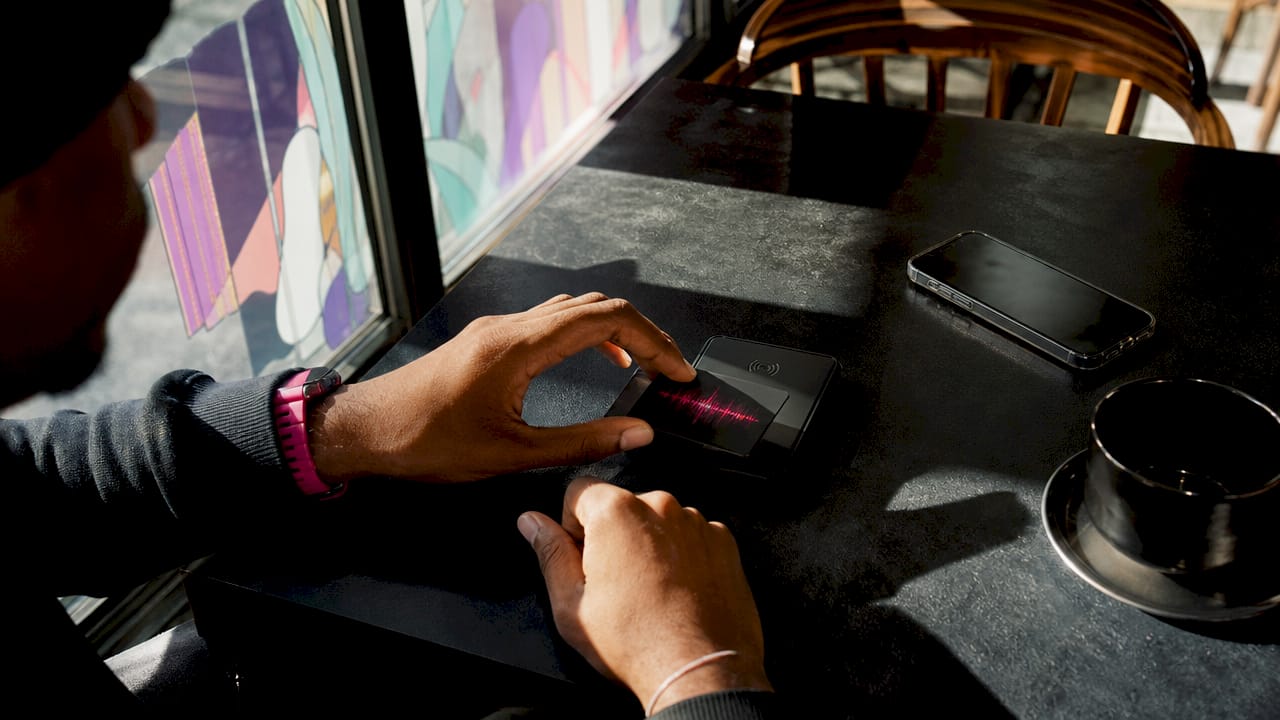
Pro Tip: Check that your smartphone has NFC enabled before tapping a music card. On most Android phones, find this in Settings under "Connected Devices." On iPhone, NFC is always active on models XR and newer.
What features make interactive music cards worth collecting?
The best interactive music cards go far beyond playing a single track. Secure NFC platforms enable multi-layered fan experiences that merge audio, visual storytelling, and digital collectibles all linked to one physical card. That combination turns a piece of merch into an experience.
Here are the core features that define a high-quality digital audio card in 2026:
- Tap-to-play browser streaming. The card opens a full music player in the browser with no friction. Fans hear the music within seconds of tapping.
- Visual storytelling layers. Artists embed album art, lyric videos, behind-the-scenes footage, or short films alongside the audio. The card becomes a portal, not just a speaker.
- Time-gated content releases. Artists can schedule exclusive tracks or visuals to unlock on specific dates. A fan who buys a card at a show might unlock a bonus track three weeks later.
- Digital collectibles and loyalty tokens. Some platforms tie NFC cards to blockchain-based tokens, giving fans a verifiable proof of ownership that carries value in fan communities.
- Anti-counterfeit authentication. The NXP NTAG 424 DNA chip with AES 128 encryption makes each card cryptographically unique. Copying the URL from one card does not replicate the authentication, so the physical card retains its exclusive value.
"Phygital music merch creates a direct, unmediated connection between artist and fan. Every tap is a moment of engagement that no streaming algorithm can interrupt or monetize."
This direct connection is the feature that matters most for fan loyalty. When a fan taps a card, the artist knows that specific card was activated. That data belongs to the artist, not to a platform. The relationship is real and traceable in a way that a playlist stream never is.
How do smart music cards support independent artists' revenue?
Smart music cards give independent artists a physical product with a real price tag and zero platform commission after the initial card purchase. Artists set their own price and keep all proceeds from card sales, with no ongoing revenue cut taken by a streaming intermediary. That model is fundamentally different from streaming royalties, where payouts per play remain fractions of a cent.
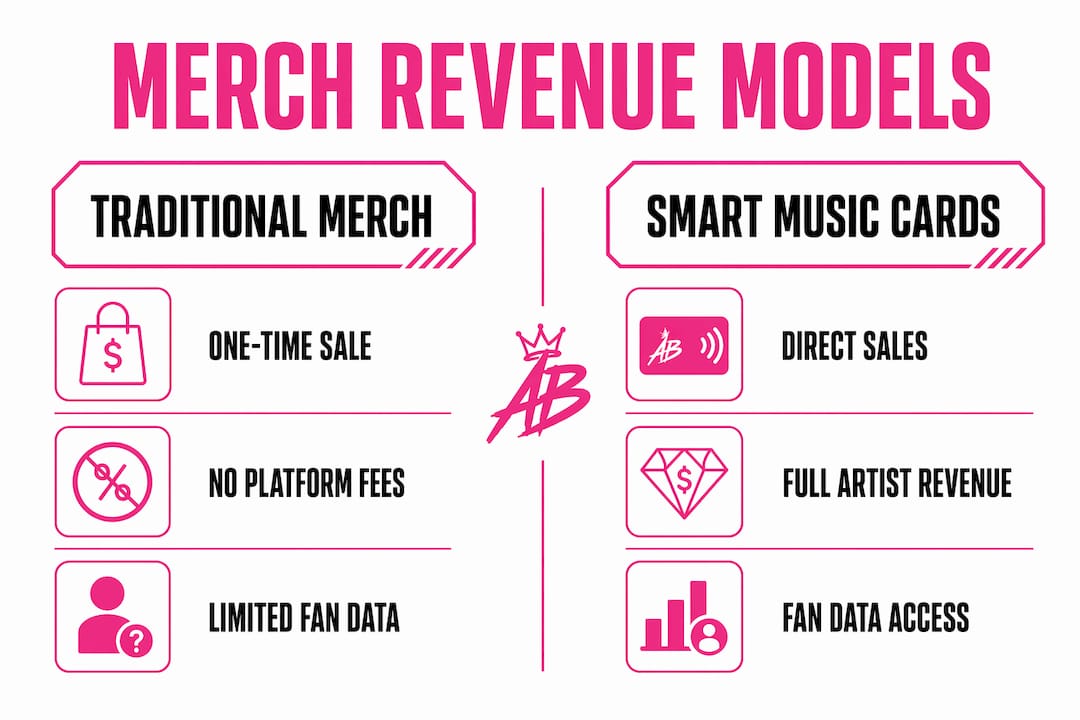
The cards function as a modern replacement for CDs and vinyl at merch tables. A fan who wants to support an artist at a show can buy a card, tap it immediately to hear the music, and take home a collectible object. The card carries more perceived value than a download code and more interactivity than a vinyl sleeve.
| Merch format | Revenue model | Fan experience | Collectible value |
|---|---|---|---|
| CD | One-time sale, no platform cut | Physical playback only | Moderate |
| Streaming playlist | Per-stream royalty, platform takes cut | Digital, no ownership | None |
| Smart music card | One-time sale, artist keeps 100% | Tap-to-play + exclusive content | High |
| Vinyl | One-time sale, no platform cut | Physical playback only | High |
Cards are available in bulk quantities, with options for boxes of 50, 100, 150, or 200 cards, making them practical for both small independent releases and larger album campaigns. An artist selling 100 cards at $15 each earns $1,500 directly, with no algorithm deciding who sees the release and no platform taking a percentage.
Phygital music merch also creates a direct digital distribution channel. Every card sold is a fan who has opted into the artist's world, not a passive listener who stumbled onto a playlist. That distinction matters for building a real audience. Artists who understand fan engagement platforms recognize that owned channels always outperform rented ones.
Pro Tip: Bundle smart music cards with other merch items like a T-shirt or poster at a show. The card adds perceived digital value to the bundle and gives fans a reason to pay a premium price.
How do you find and use a smart card for music?
Getting started with a smart card for music takes less than a minute if you know what to look for. The process is straightforward, and the barrier to entry is lower than almost any other music technology format.
- Buy directly from the artist. Independent artists sell cards at live shows, through their personal websites, and via direct-to-fan storefronts. Buying directly puts money straight into the artist's hands.
- Check for NFC compatibility. Any iPhone XR or newer and most Android phones from 2018 onward support NFC natively. No additional hardware is needed.
- Tap the card to your phone. Hold the card near the top of an iPhone or the center back of most Android phones. The phone detects the chip and opens the music player in your browser automatically.
- No app download required. Modern NFC music cards unlock a digital music player in the browser with a simple tap. You do not need an account or a subscription.
- Store the card as memorabilia. The physical card holds its value as a collectible. Keep it in a card sleeve, frame it with other artist merch, or display it alongside vinyl and posters.
- Watch for time-gated content. Some cards unlock new content on scheduled dates. Tap the card again weeks after purchase to check for new tracks, videos, or exclusive messages from the artist.
The fan experience is designed to feel like receiving something special, not like navigating a software interface. That emotional quality is what separates a smart music card from a download link or a streaming playlist.
Key Takeaways
Smart music cards combine physical collectible value with direct, app-free digital streaming, giving independent artists full revenue control and fans a richer ownership experience.
| Point | Details |
|---|---|
| App-free tap-to-play | Modern NFC cards open a browser music player instantly, no download or account needed. |
| NXP NTAG 424 DNA security | Dynamic AES 128 encryption on every tap prevents copying and protects exclusive content. |
| 100% artist revenue | Artists set their own price and keep all proceeds, bypassing streaming platform fees entirely. |
| Multi-layered fan experience | Cards can deliver audio, video, digital collectibles, and time-gated releases from one tap. |
| Legacy apps are losing ground | High-friction NFC apps with mandatory physical tagging earn poor ratings and face rapid user churn. |
Why I think phygital merch is the most underrated shift in music right now
The conversation around music distribution always circles back to streaming numbers and playlist placement. I get it. Those metrics are visible and easy to compare. But they measure attention, not connection. A fan who taps a card I made, hears my music in their browser, and keeps that card on their desk has a relationship with my work that a Spotify stream simply cannot replicate.
What strikes me most about smart music card technology is how it shifts the power dynamic. When a fan buys a card, I know that card exists. I know it was activated. That data is mine. No platform owns that moment. The fan owns a physical object, and I own the relationship. That is a genuinely different arrangement from anything streaming offers.
The time-gated content feature is the one I find most exciting and most underused. Releasing a card at a show that unlocks a bonus track three weeks later gives fans a reason to stay engaged long after the event ends. It turns a one-time purchase into an ongoing experience. Most artists I talk to have not thought about using their merch this way yet. That gap is an opportunity.
The challenge is legacy perception. When people hear "NFC music card," some still picture the old app-dependent format that required physical tagging every single time. That experience was genuinely frustrating, and the low user ratings reflect it honestly. The new browser-based format is a completely different product. Getting that message across takes education, and that is exactly why articles like this one matter.
— Amari
Amaribandz and the future of direct music merch
Amaribandz builds the kind of direct fan connection that smart music card technology was designed to support. Tracks like "Japan," "Beautiful High," and "Currency" are available across streaming platforms, but the real experience lives in the direct-to-fan channel where merch and music meet.
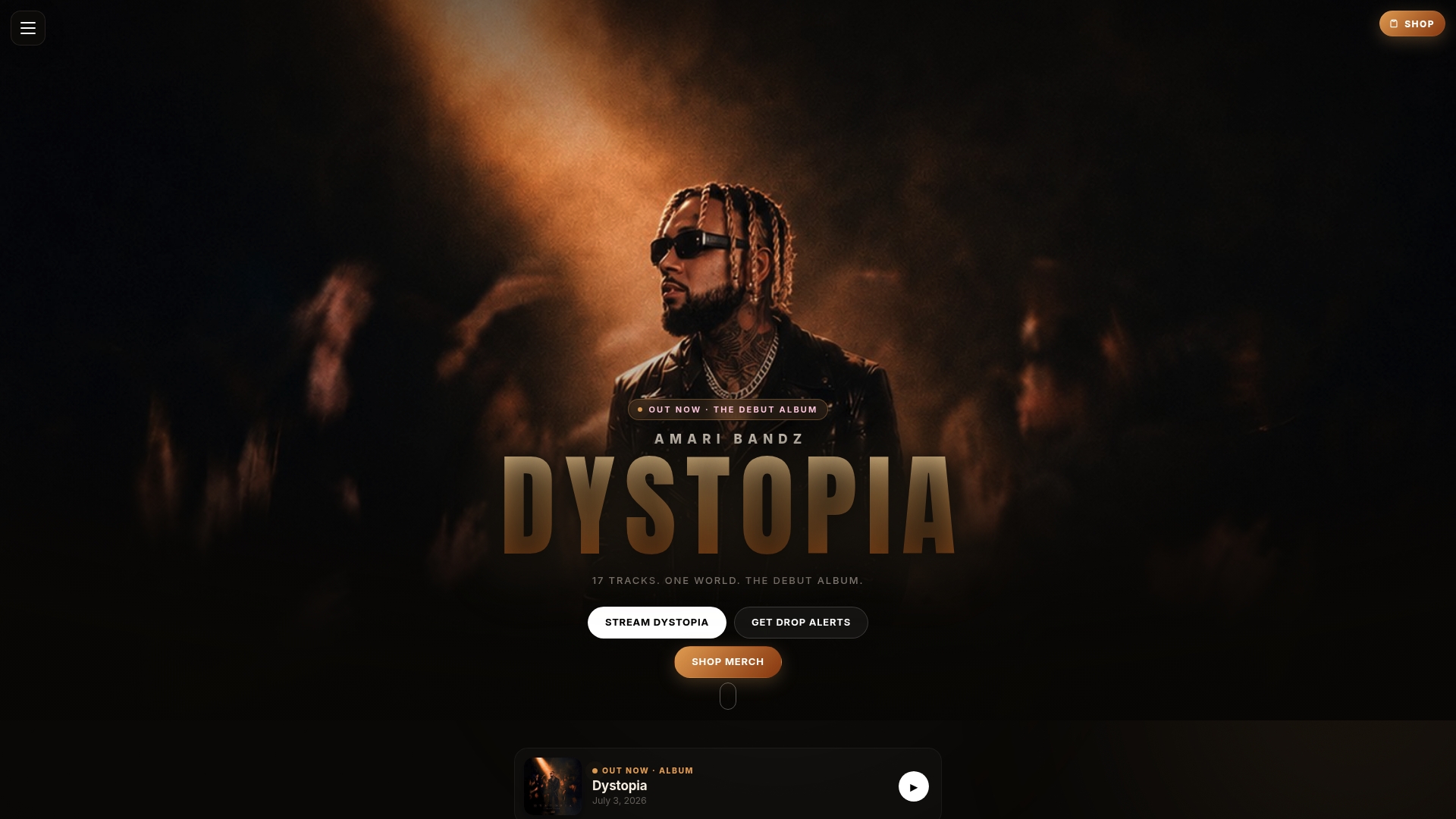
Fans who want to go deeper can explore the official Amaribandz merch for physical products that carry real digital value. The debut album DYSTOPIA is available now at amaribandz.com, where you can also find every streaming link and follow option in one place. Supporting Amaribandz directly means the music keeps coming without a platform deciding who hears it first.
FAQ
What is a smart music card?
A smart music card is a physical NFC-enabled card that opens a browser-based music player when tapped against a smartphone, requiring no app download or account.
Do I need a special app to use a music card?
No. Modern NFC music cards work natively on any NFC-enabled smartphone by opening the music player directly in the phone's browser with a single tap.
How does NFC music card security work?
Cards using the NXP NTAG 424 DNA chip generate a new dynamic security key on every tap via AES 128 encryption, making each card cryptographically unique and impossible to duplicate.
Can independent artists make money selling smart music cards?
Yes. Artists set their own price and keep 100% of the revenue from card sales, with no ongoing platform commission, making cards a direct revenue channel.
What went wrong with older NFC music apps?
Legacy NFC music apps required physical card tagging on every playback session. That friction produced low user satisfaction, with at least one legacy app earning a 2.1-star rating from 40 reviews as of may 2026.