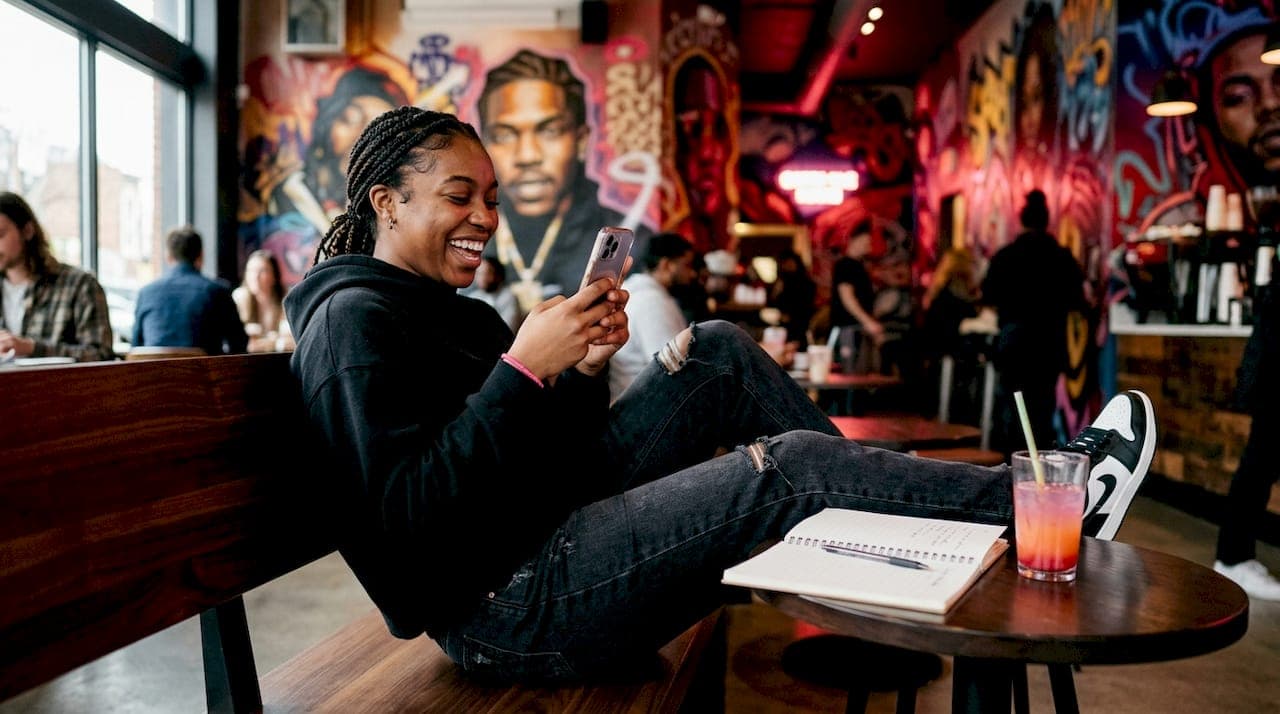
Fan communities are active networks where fans of independent artists collaborate, create, and amplify music far beyond passive listening. In hip-hop culture, these groups, formally called fandoms, operate as living ecosystems that shape an artist's reach, reputation, and revenue. The strongest fan communities drive real outcomes: viral trends, sold-out merch drops, and career-defining moments for independent artists like Amaribandz. Whether you are new to online fandoms or a longtime member of a fan circle, understanding how these groups work gives you real power to contribute and connect.
1. What are fan communities and why they matter
Fan communities are organized groups of people united by a shared passion for a specific artist, genre, or cultural movement. In hip-hop, they are the engine behind an independent artist's growth. A follower count tells you nothing about loyalty. Engagement, shared culture, and collective action tell you everything. Devoted fans view themselves as growth partners, not passive listeners, contributing to artist careers through content curation, promotion, and direct financial support. That shift from listener to partner is what separates a real fan community from a casual audience.
2. Top platforms hosting fan communities in 2026
The platform you choose shapes the quality of your fan experience. Generic social media feeds fragment attention and bury fan content under algorithm noise. Dedicated fan apps solve that problem directly.
OmO launched in may 2026 as an all-in-one fandom platform that unifies content, merch, events, and community posts in a single space. Its "Byeol" Star points system rewards every fan engagement, from comments to shares, turning participation into a measurable activity. That gamification approach keeps fan groups active between releases, not just during album drops.
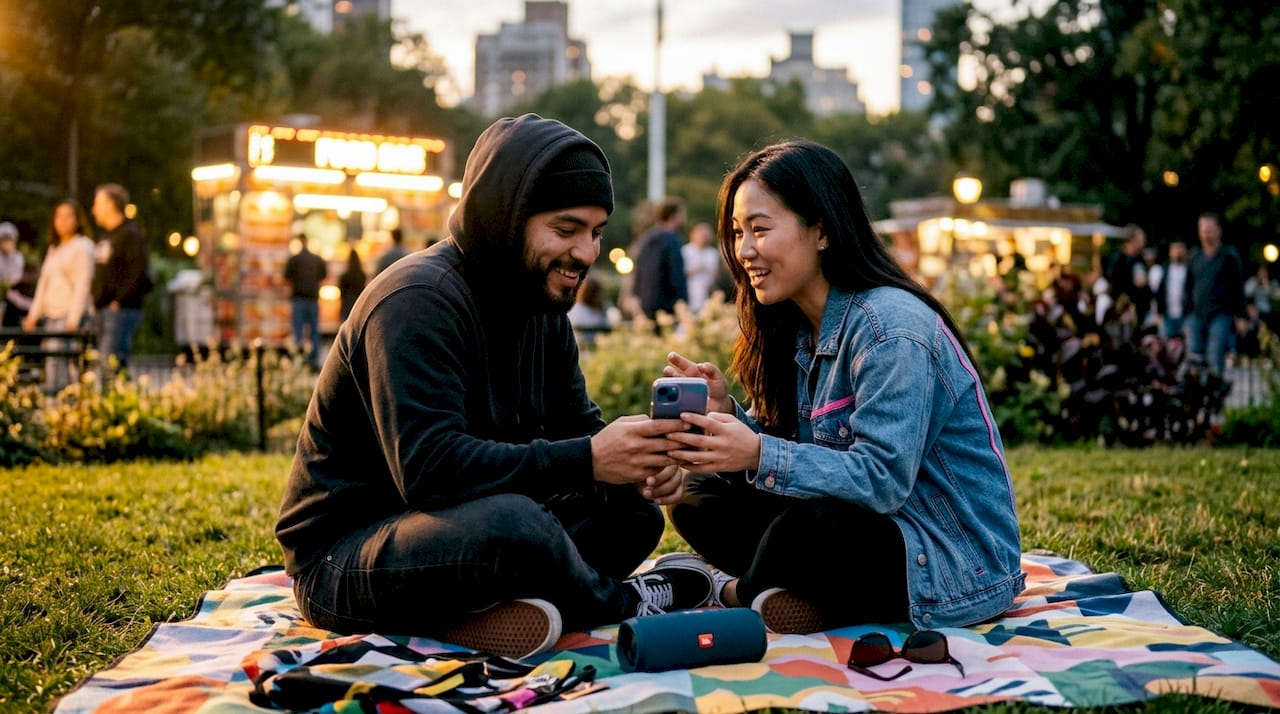
FANS is another all-in-one app built for direct artist-to-fan interaction, with translation features that allow fan circles to connect globally regardless of language. Both platforms represent a clear move away from fragmented social media toward purpose-built community spaces.
Key features to look for in a fan platform:
- Unified content and merch access in one place
- Gamified engagement systems that reward consistent participation
- Translation tools for global fan groups
- Community post features that let fans interact with each other, not just the artist
- Event and meetup coordination tools
Pro Tip: Join the platform your artist actively uses. A fan community on a platform the artist ignores will lose momentum fast.
3. What makes a fan community thrive
The healthiest fan communities balance two things: consuming content and creating culture together. Consumption alone produces audiences. Creation produces communities.
Research confirms that adolescent fans show higher aspiration and peer influence that drives viral trends and creator growth. That peer-to-peer energy is the fuel behind challenge videos, fan edits, and coordinated streaming campaigns. When fans set goals together, the results scale faster than any single promotional push from an artist's team.
Fan groups also build their own internal culture. Members invent slang, define aesthetic standards, and establish norms for how the community behaves. Creators who empower fan autonomy see better loyalty than those who try to control fan spaces strictly. The community becomes self-sustaining when fans feel ownership over it.
"The best fan communities cultivate autonomy and peer leadership rather than artist-imposed control, leading to sustained loyalty and creative vitality."
Veteran members, often called "OGs," play a specific and underappreciated role. Long-standing fan community members act as cultural gatekeepers, protecting norms and controlling access to coveted fan spaces. They are not always the loudest voices, but they set the tone for how the group treats newcomers, handles conflict, and represents the artist publicly.
Pro Tip: Introduce yourself in the community's welcome channel and read pinned posts before posting. OG members notice and respect fans who take time to learn the culture.
4. How offline fan culture strengthens online bonds
Online engagement builds the foundation, but offline experiences cement it. Physical fan activities create memories and identities that no comment thread can replicate.
The Blue Pilgrims fan group is one of the clearest examples of this principle in action. Blue Pilgrims' organization around matches and tifos shows how physical fandom activities complement digital engagement at scale. Their coordinated displays require months of planning, trust, and shared commitment that begins in online spaces and materializes in the real world.
Offline fan culture requires months of planning and trust-building online before coordinated physical displays, such as chants, merchandise drops, and banner creation, can happen. That timeline matters. The online community is not separate from the offline experience. It is the preparation for it.
Three offline activities that build the strongest fan bonds:
- Coordinated merch drops at live events. Wearing the same gear creates instant visual identity and signals belonging to anyone who sees it.
- Fan meetups before or after shows. Face-to-face connection turns online usernames into real relationships that last beyond a single event.
- Collaborative displays like banners or coordinated visuals. These require planning and trust, and the shared effort deepens commitment to the group.
Coordinated offline fan activities turn casual listeners into committed communities that become the "12th man" for their artists. That term captures something real: the collective energy of a committed fan group changes the atmosphere of a live event and signals to the wider world that an artist has a serious following.
5. Supporting independent artists sustainably through fan groups
Independent artists do not have major label infrastructure behind them. Their fan communities fill that gap. The way you participate directly affects an artist's career trajectory.
Dedicated online spaces like Discord or specialized apps give fan communities stability and enable organic growth beyond artist-controlled channels. Peer-to-peer connection, not centralized artist communication, is what makes a community resilient. When the artist goes quiet between releases, a strong fan space keeps the energy alive.
Fan communities also send signals to the music industry. Active, organized fan groups attract brand deal opportunities and press attention that passive follower counts never generate. A fan circle that coordinates streaming campaigns, creates original content, and shows up at events is a career asset that labels and brands can measure.
Practices that keep fan communities healthy and effective:
- Set clear community rules and enforce them consistently
- Avoid harassment, doxxing, and targeted attacks on other artists or fans
- Share fan-made content, not just official releases, to keep creativity flowing
- Cross-promote with fan groups from related artists to expand reach
- Celebrate milestones together, from chart positions to merch sellouts
Pro Tip: Start a dedicated Discord server for your local fan circle. Local chapters of larger fan communities build the tightest bonds and organize the most effective real-world events.
Fan communities can catalyze independent artists' national visibility when positive energy is channeled well. The same energy causes toxicity without proper moderation. The difference between a community that builds an artist's career and one that damages it comes down to leadership and norms.
Key Takeaways
The strongest fan communities combine peer-driven culture, dedicated platforms, and offline engagement to build lasting support for independent artists.
| Point | Details |
|---|---|
| Platform choice matters | Use dedicated fan apps like OmO over generic social media for sustained community engagement. |
| Peer culture drives growth | Adolescent fans and peer goal-setting fuel viral trends more effectively than top-down artist promotion. |
| OG members set the tone | Veteran community members act as cultural gatekeepers and protect community health. |
| Offline deepens online bonds | Coordinated events and merch drops turn digital connections into lasting real-world relationships. |
| Independence builds resilience | Fan spaces that operate peer-to-peer, not through artist control, sustain momentum between releases. |
What I have learned about fan communities in hip-hop
The conversation around fan communities usually focuses on numbers. How many members? How many streams? I have found that framing misses the point entirely.
The fan groups that actually move the needle for independent artists are the ones where members feel like they own something. Not the music, but the culture around it. The inside jokes, the fan art, the coordinated drops, the group chats that go until 3 AM debating which track hits hardest. That sense of ownership is what keeps people showing up.
What I have also seen is that the healthiest communities treat the artist as a collaborator, not a product to be managed. When fans start policing who is a "real" supporter or attacking anyone who offers criticism, the community turns inward and toxic. The best fan circles I have been around stay focused on the music and the culture, not on gatekeeping loyalty.
The offline piece is underrated. You can have thousands of followers in a Discord server, but the moment a group of fans shows up to a show wearing the same gear and singing every word, something shifts. The artist feels it. The crowd feels it. That energy is what turns a promising independent artist into a movement.
My honest advice: find your circle, contribute consistently, and build something you are proud of. The artists who last are the ones with communities that last.
— Amari
Amaribandz and the fan community behind the music
Amaribandz built a direct connection between artist and fans from the start. Every release, from "Japan" to "Beautiful High" to "Currency," is designed to give fans something to talk about, share, and build around.
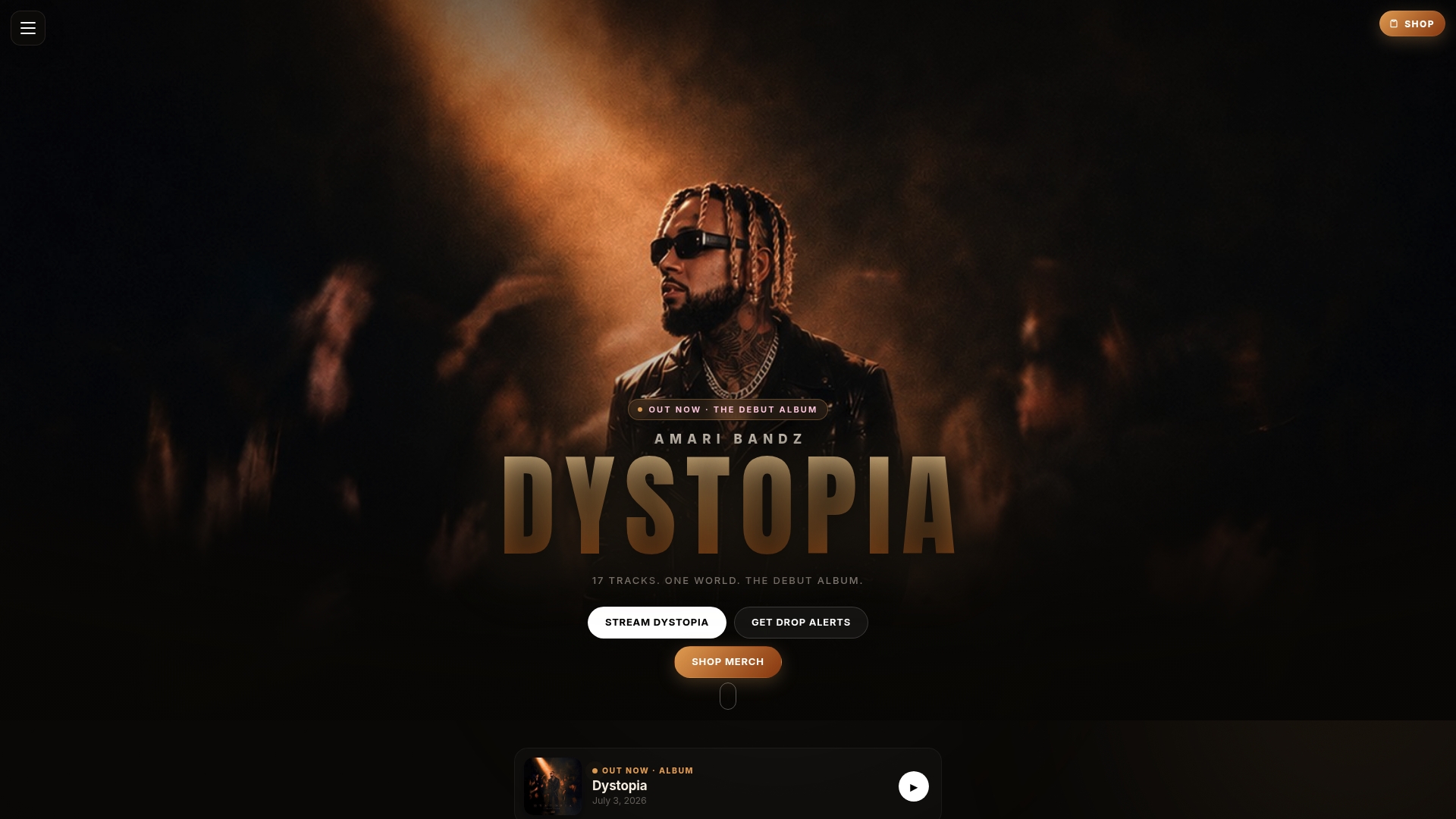
The debut album DYSTOPIA is the clearest entry point for fans who want to go deep into the Amaribandz catalog and understand the full vision behind the music. For fans who want to show their support offline, the official merch store carries gear that brings the community into the real world. Stream, follow, and connect across platforms through the Amaribandz links page to stay current on every new release and community update. The community is already building. Come be part of it.
FAQ
What is a fan community in music?
A fan community is an organized group of listeners united by shared passion for a specific artist or genre. In hip-hop, these groups actively promote artists, create content, and build culture together rather than just consuming music passively.
What platforms are best for hip-hop fan communities in 2026?
OmO and FANS are the leading all-in-one fan platforms in 2026, offering unified content, gamified engagement, and global translation tools. Discord remains a strong option for independent fan-run servers focused on specific artists.
How do fan communities help independent artists?
Fan communities drive streaming campaigns, create organic content, attract brand attention, and fill the promotional gap that independent artists face without major label support. Active fan groups are measurable career assets.
What makes a fan community toxic?
Fan communities turn toxic when members prioritize gatekeeping loyalty over celebrating music, engage in harassment of other fans or artists, or operate without clear moderation norms. Veteran OG members and clear community rules prevent most toxic patterns.
How do I start a fan community for an independent artist?
Start with a dedicated Discord server or join the artist's official fan app. Set clear rules, welcome new members, and focus activity on music, fan content, and event coordination rather than follower counts or drama.